Birding in Peninsular Malaysia

Introduction
Peninsular Malaysia stands as a premier bastion of biodiversity in Southeast Asia, offering a sophisticated tapestry of habitats that range from ancient lowland dipterocarp forests to the mossy, cloud-shrouded peaks of the Titiwangsa Range. For the traveling ornithologist, the region is not merely a destination but a masterclass in avian evolution. Leveraging data from eBird.org and Birds of the World, this guide highlights the essential species that define the Malaysian birding experience.
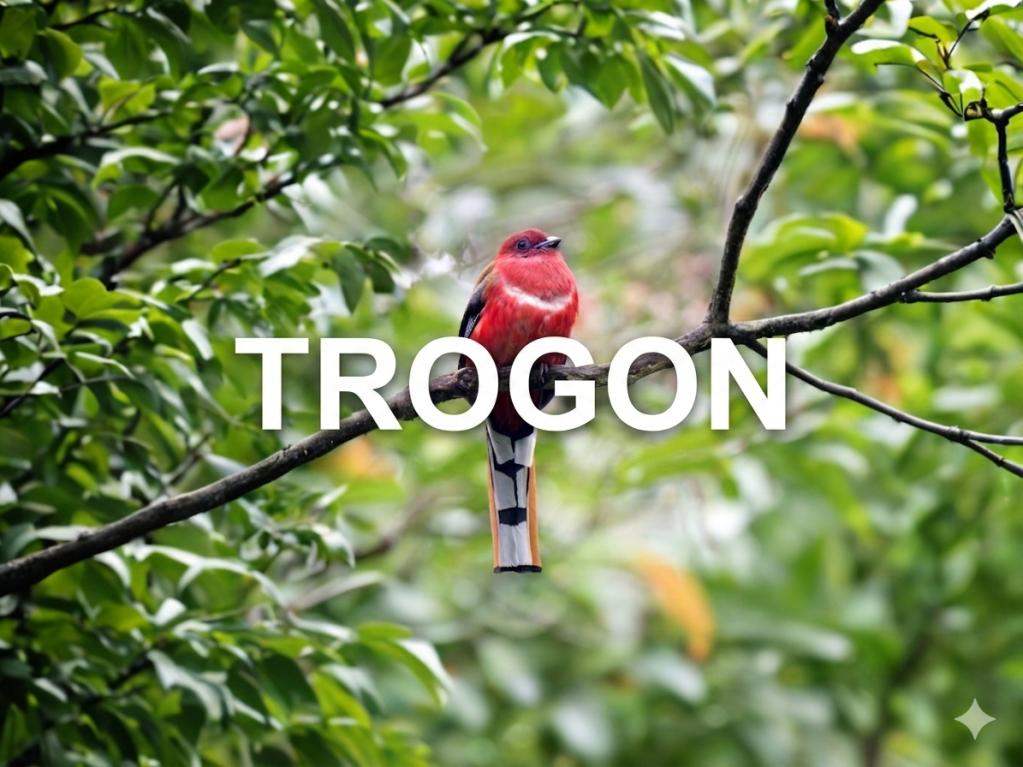
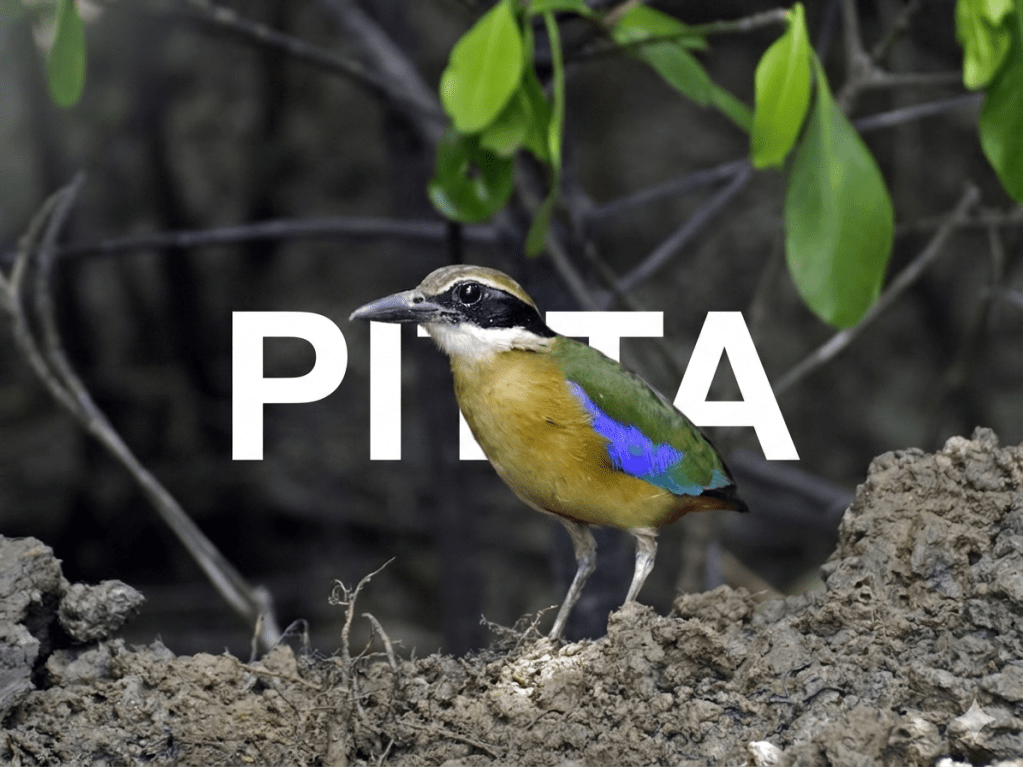
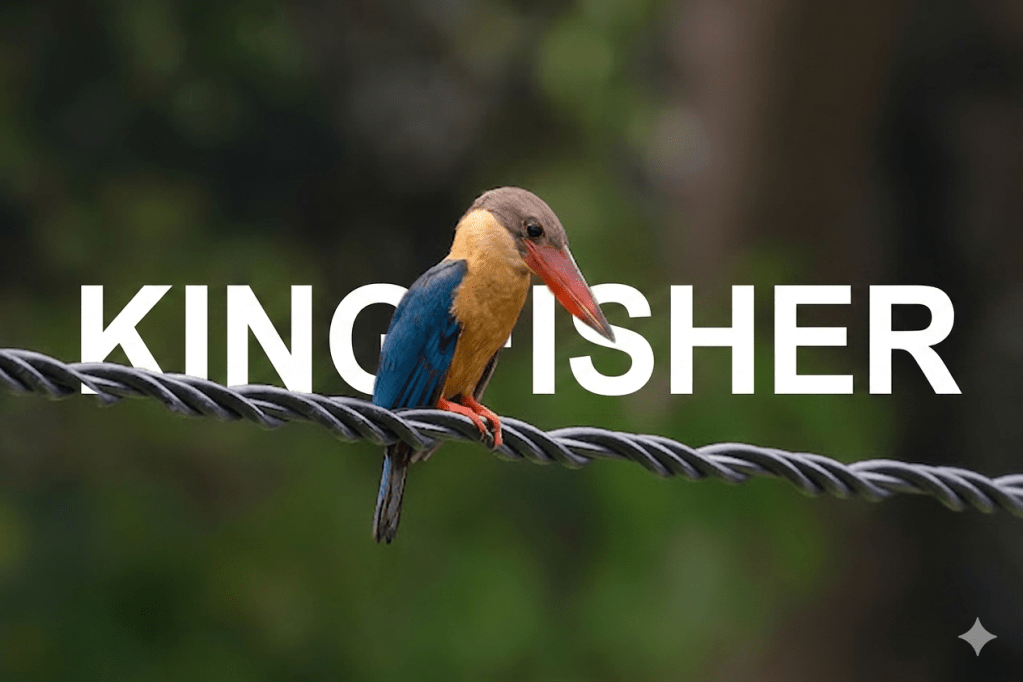
In the shaded sanctuary of the forest floor and mid-canopy, certain families are prized for their saturated palettes. These “forest jewels” are often the primary targets for high-end photography expeditions. The Garnet Pitta (Erythropitta granatina) and the Malayan Banded Pitta (Hydrornis guajanus) represent the pinnacle of elusive beauty. These terrestrial insectivores are localized and require patience and professional guiding to locate. Beyond the coast, the forest-dwelling Rufous-backed Kingfisher and the striking Banded Kingfisher offer brilliant flashes of rufous and azure along jungle streams. Furthermore, the Scarlet-rumped Trogon and the Red-headed Trogon are iconic residents whose tendency to sit motionless for long periods makes them exceptional subjects for capturing the vivid reds of the Malaysian tropics.
Malaysia’s rainforests are also synonymous with the Bucerotidae family. These birds serve as vital seed dispersers and indicators of forest health. The Rhinoceros Hornbill (Buceros rhinoceros), with its massive golden casque, and the Great Hornbill are the undisputed heavyweights of the canopy. According to Birds of the World, Malaysia is home to 10 hornbill species, including the spectacular, nomadic Plain-pouched Hornbill. Alongside them, a staggering diversity of over 25 woodpecker species exists, ranging from the diminutive Rufous Piculet to the Great Slaty Woodpecker—the world’s largest extant woodpecker species.
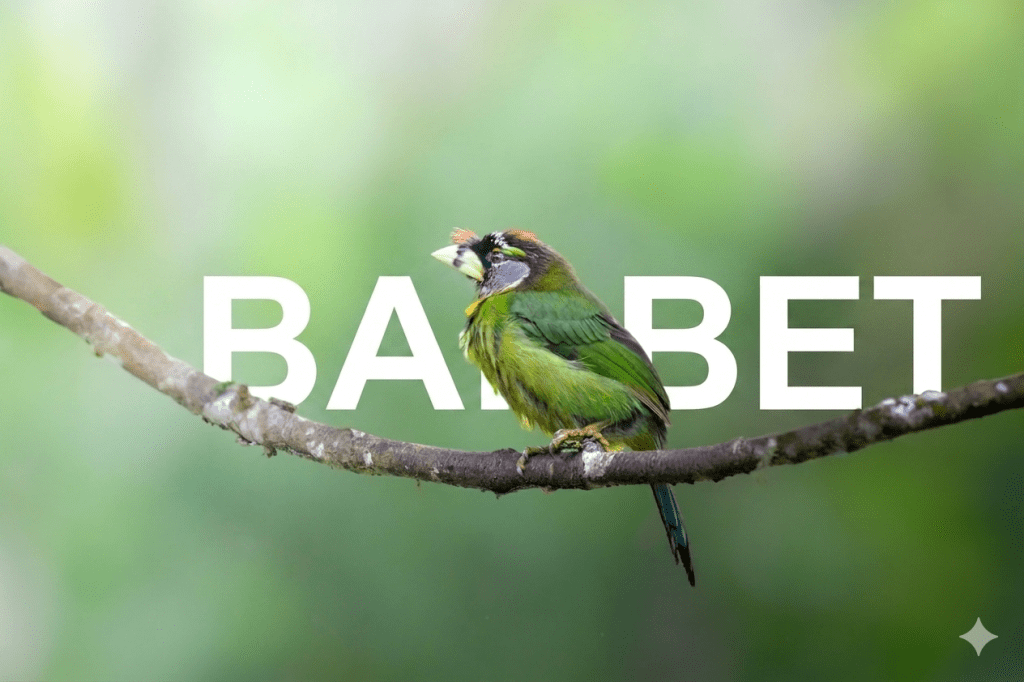
The acoustic identity of the Malaysian jungle is shaped by groups that fill the canopy and sub-canopy with rhythmic complexity. The Green Broadbill and the Black-and-yellow Broadbill are often described as “cartoon-like” due to their oversized heads and neon plumage. While the rhythmic calls of Barbets provide the background “metronome” of the forest, the Babblers provide the complexity. With over 40 species recorded in the peninsula, this group is essential for any serious life list. Additionally, the Crested Jayshrike, a unique evolutionary branch, remains a highly sought-after sighting in both lowland and hill forests.
For the veteran birdwatcher, Peninsular Malaysia offers challenges that require stealth and expert knowledge of lekking sites. The Great Argus, famous for its intricate dancing grounds, and the endemic Malayan Peacock-Pheasant are legendary prizes. However, the Malayan Rail-babbler (Eupetes macrocerus) is arguably the “Holy Grail” of the region. It is an evolutionary enigma—the sole member of its family. Its prehistoric silhouette and secretive behavior make it one of the most prestigious sightings in all of Southeast Asia.
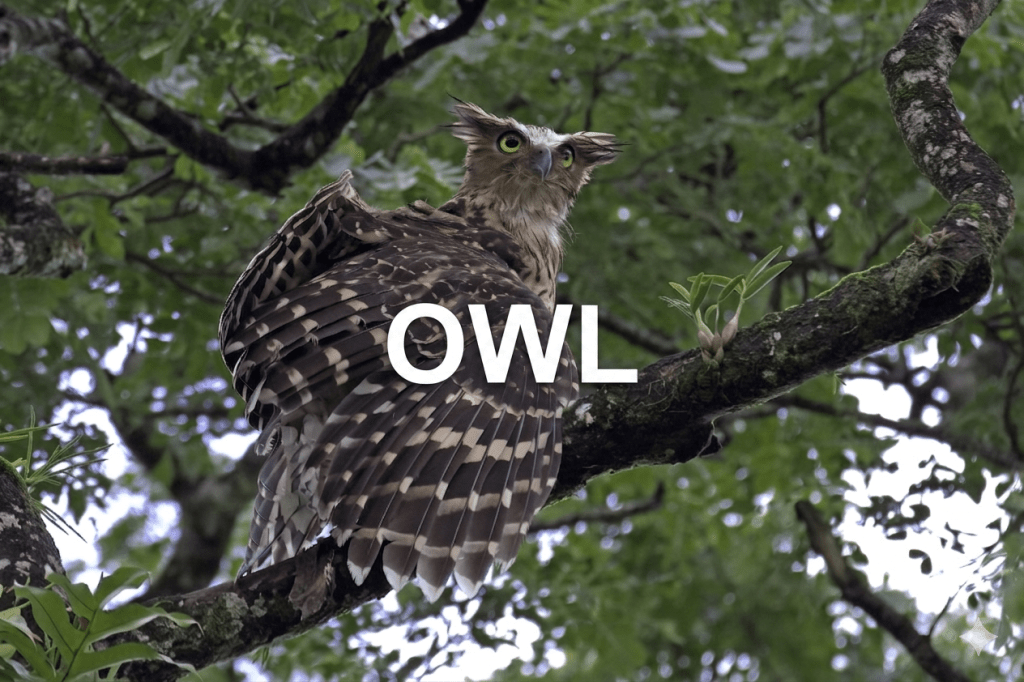
As the vertical layers of the forest transition from the tiny to the nocturnal, the diversity remains relentless. The forest edges are alive with Spiderhunters, Sunbirds, and Flowerpeckers, exhibiting high metabolic activity and iridescent plumage. As dusk falls, the focus shifts to the Strigidae family. Significant targets include the Buffy Fish-Owl, the Spotted Wood-Owl, and the Barred Eagle-Owl. For the elite birder, the search for the uncommon Dusky Eagle-Owl provides a thrilling conclusion to the birding day.
Our Signature Journeys



Highlight Species




Recent Trips
-
3-13 Mar 2026
Malaysia Birding Journey I just wrapped up an epic 11-day birding odyssey with Morten, a passionate…
-
21 Mar 2026
Woodpecker Bonanza Our birding adventure began in Kuala Selangor mangrove forest, where I had the pleasure…
-
29 Mar-6 Apr 2026
From Mangroves to the Ancient Rainforest Malaysia is a true megadiverse haven, and nothing proves it…
-
8-12 Apr 2026
A 5-Day Adventure from Mangroves to Mountains Malaysia is a world-class destination for birdwatchers, offering a…
-
25 Apr-6 May 2026
Epic 12 Days in Borneo What a journey! I recently returned from a 12-day expedition across…
 Birds.Nature.Legacy.